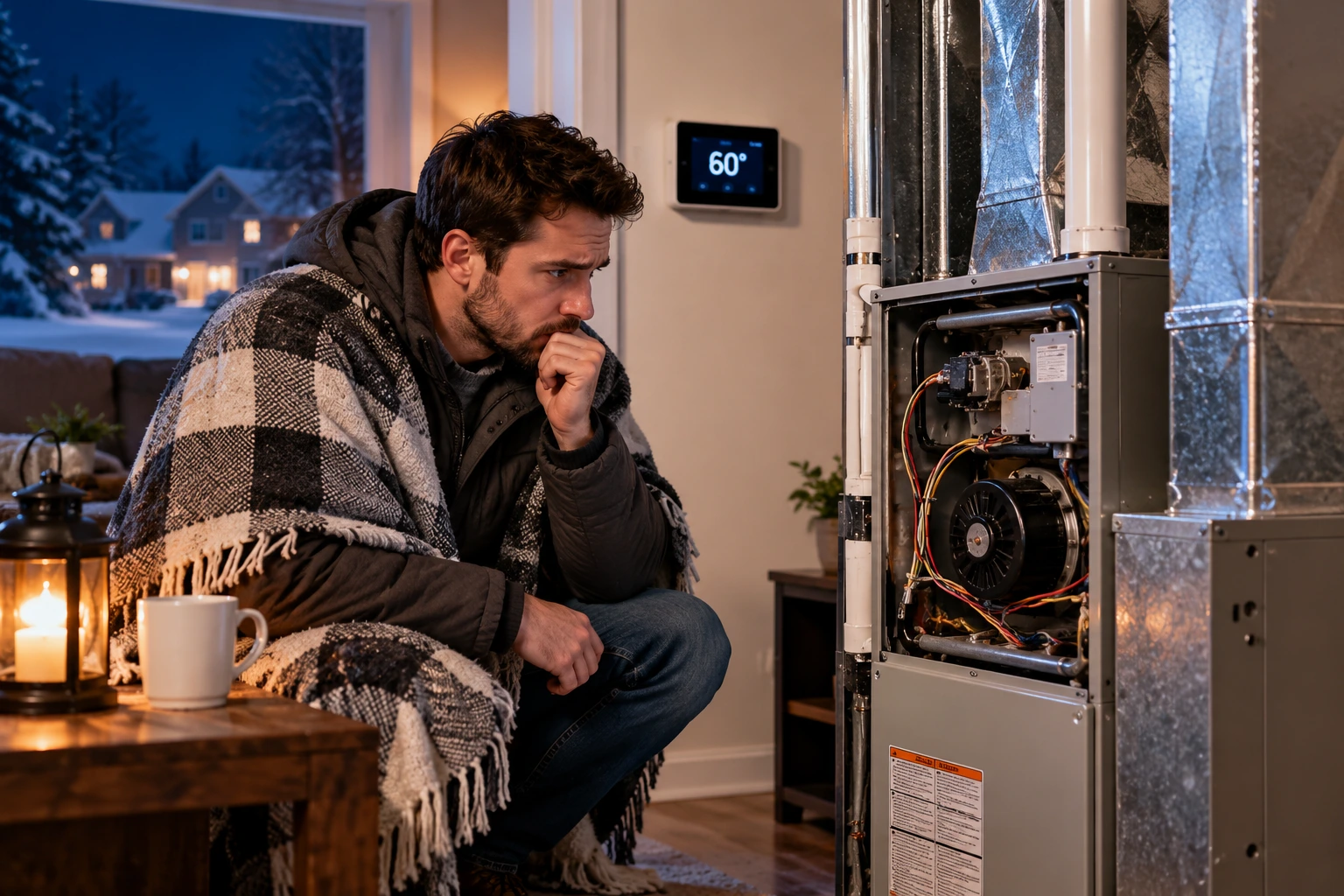
Why Is My Furnace Blowing Cold Air? Causes and How to Fix It
If your furnace is blowing cold air instead of heat, the problem may be a thermostat setting, dirty air filter, or furnace malfunction. Zephyr Heating and Cooling LLC helps homeowners understand heating problems and know when professional furnace repair may be needed.
Before calling for service, check whether the cold air lasts only during startup or continues throughout the heating cycle. This difference can help you identify what to check next and whether your furnace needs professional attention.
9 Common Reasons Your Furnace Is Blowing Cold Air
A well-maintained central air conditioner commonly lasts around 10 to 15 years, although actual service life can vary with maintenance, usage, and system condition. In Salt Lake City, regular summer cooling demand makes proper upkeep important when deciding whether an older system should be repaired or replaced.
1. Incorrect Thermostat Settings
Your furnace may blow cold air if the thermostat is set incorrectly. If the fan is set to ON instead of AUTO, it can continue circulating air between heating cycles, making the vents feel cool.
2. Dirty or Clogged Furnace Air Filter
A clogged air filter restricts airflow through the furnace. This can cause the system to overheat and shut off its burners while the blower continues running, resulting in cool air from the vents.
3. Furnace Overheating and Shutting Down
A furnace can overheat when airflow is restricted by a dirty filter, blocked return grille, or other airflow problem. A safety limit switch may shut off the burners to protect the equipment while the blower continues circulating air.
4. Pilot Light or Ignition Failure
A gas furnace cannot produce heat if its ignition system fails to light the burners. Older furnaces may use a pilot light, while newer models often use electronic ignition.
5. Dirty or Faulty Flame Sensor
A flame sensor confirms that the gas burners have ignited. If the sensor becomes dirty or faulty, the furnace may shut off the gas shortly after ignition as a safety measure.
6. Gas Supply Problems
A gas furnace needs a reliable fuel supply to produce heat. A supply interruption, closed gas valve, or gas-system fault may prevent the burners from operating correctly.
7. Clogged Condensate Drain Line
High-efficiency furnaces produce condensation during operation. If the condensate drain becomes blocked, a safety switch may stop the furnace from heating to prevent water-related problems.
8. Leaking or Disconnected Air Ducts
Leaky or disconnected ductwork can reduce the amount of warm air reaching your rooms. Depending on where the leak occurs, the system may draw in cooler air or lose heated air before it reaches the vents.
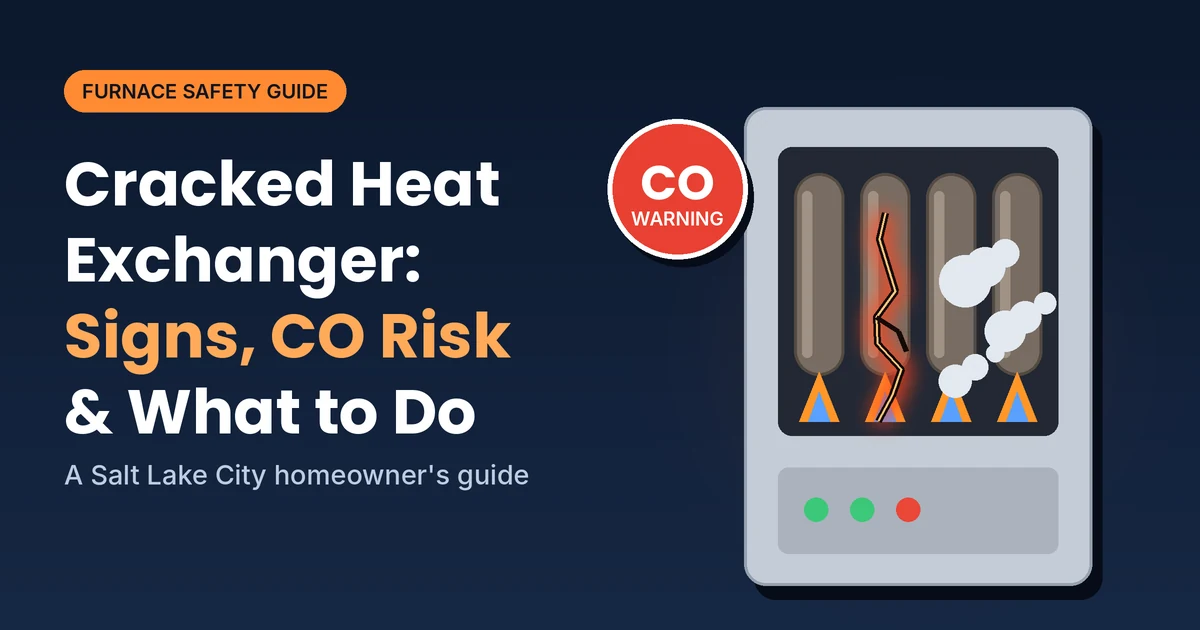
9. Cracked Heat Exchanger or Faulty Internal Components
A damaged heat exchanger can create a serious safety concern because it separates combustion gases from the air circulated through your home. Other internal faults, including control or blower problems, can also interfere with normal heating.
How to Troubleshoot a Furnace Blowing Cold Air
You can troubleshoot a furnace blowing cold air by checking the thermostat, air filter, power supply, and vents. These basic checks may resolve simple problems, but electrical, gas, ignition, and internal component repairs should be handled by a qualified HVAC technician.
1. Check Your Thermostat Settings
Make sure your thermostat is set to HEAT rather than COOL or FAN. Set the fan to AUTO so it runs with the heating cycle instead of continuously circulating air.
Raise the temperature a few degrees above the current room temperature and wait several minutes. If the furnace does not begin heating, check the thermostat batteries if your model uses them.
2. Inspect and Replace the Air Filter
A dirty air filter can restrict airflow and cause your furnace to overheat. When this happens, a safety control may shut off the burners before the home reaches the desired temperature.
Turn off the furnace before checking the filter. If it is dirty, replace it with the correct size and type recommended by the manufacturer.
3. Check Furnace Power
Your furnace needs electrical power to operate its controls, blower, and ignition system. A tripped circuit breaker or switched-off furnace power switch may prevent normal heating.
Check whether the furnace switch is on and look for a tripped breaker. If the breaker trips again, do not keep resetting it; contact an HVAC technician to investigate the electrical problem.
4. Check Vents and Registers
Blocked supply vents and return grilles can restrict airflow throughout your home. Furniture, rugs, curtains, or accumulated dust may prevent air from moving properly through the system.
Make sure the vents and return grilles are open and unobstructed. If some rooms remain cold or airflow is still weak, the problem may involve ductwork or another furnace component.
5. Check the Furnace Error Code
Some modern furnaces display an error code or flashing indicator when a fault occurs. The code may point to an ignition issue, restricted airflow, or a safety control problem.
Check the manufacturer’s manual to understand what the displayed code means. Record the code before contacting Zephyr Heating and Cooling LLC, as this information may help the technician diagnose the problem.
6. Know When to Stop Troubleshooting
If these checks do not restore warm air, avoid removing furnace panels or repairing gas and electrical components yourself. Repeated shutdowns, failed ignition, unusual noises, or persistent cold airflow may require professional diagnosis.
Warning Signs That Require Professional Furnace Repair
Some furnace problems need more than a thermostat adjustment or a new air filter. Contact a qualified HVAC technician if you notice:
The furnace starts but shuts down before producing warm air.
The blower runs continuously, but the rooms remain cold.
The furnace displays a recurring error code.
The system repeatedly trips its circuit breaker.
You hear unusual noises or notice water around the furnace.
The furnace struggles to maintain the temperature you set.
Describe the symptoms and any error codes when scheduling service. This information can help the technician understand what your furnace is doing and determine which components need inspection.
How Can You Prevent Your Furnace From Blowing Cold Air?
Regular furnace maintenance helps reduce the risk of heating problems during cold weather. Replacing dirty filters, keeping vents clear, and scheduling routine inspections can help your heating system operate properly and identify potential issues before they become larger problems.
Replace Furnace Filters Regularly
A dirty air filter restricts airflow and can cause the furnace to overheat. Depending on the filter type, household conditions, and manufacturer recommendations, you may need to inspect it monthly and replace it when necessary.
Homes with pets, dust, or frequent furnace use may need more frequent filter changes. Always use the filter size and type recommended for your particular system.
Schedule Annual Furnace Maintenance
An annual furnace inspection allows an HVAC technician to check important components before the heating season begins. The technician can inspect the ignition system, burners, electrical connections, safety controls, and airflow.
Routine maintenance can also help identify worn parts and developing problems. Follow the manufacturer’s maintenance recommendations and arrange professional service if your furnace shows signs of poor heating performance.
Keep Vents Clear and Check Airflow
Blocked supply vents and return grilles can reduce airflow and affect heating performance. Keep furniture, rugs, curtains, and other objects away from these openings.
Check whether warm air reaches the rooms you use regularly. If certain rooms remain cold or airflow becomes weaker, an HVAC technician can inspect the ductwork and identify possible restrictions or leaks.
Address Furnace Problems Early
Do not ignore repeated shutdowns, unusual noises, error codes, or cold air that continues throughout the heating cycle. These symptoms may indicate a problem that needs attention before the furnace can heat your home properly.
If basic checks do not solve the issue, contact Zephyr Heating and Cooling LLC for professional furnace service. Addressing heating problems early can help you understand the repair needed and prepare your system for continued use.
Frequently Asked Questions
Why Is My Furnace Blowing Cold Air Instead of Heat?
Your furnace may blow cold air because of incorrect thermostat settings, a dirty air filter, ignition failure, or an overheating safety shutdown. Check the thermostat and filter first. If the problem continues, contact an HVAC technician for diagnosis.
Is It Safe to Run a Furnace That Blows Cold Air?
It depends on the cause. A simple thermostat setting may not indicate a safety issue, but repeated shutdowns, electrical problems, or suspected component damage require professional attention. If a carbon monoxide alarm sounds or you smell gas, leave the building and contact emergency services or your gas utility from a safe location.
Can a Thermostat Cause a Furnace to Blow Cold Air?
Yes, incorrect thermostat settings can cause this problem. The fan may be set to ON instead of AUTO, or the system may not be set to HEAT. Check the settings and batteries if applicable. If the furnace still does not heat, further diagnosis may be necessary.