What to Do If Your Furnace Stops Working on a Cold Winter Night
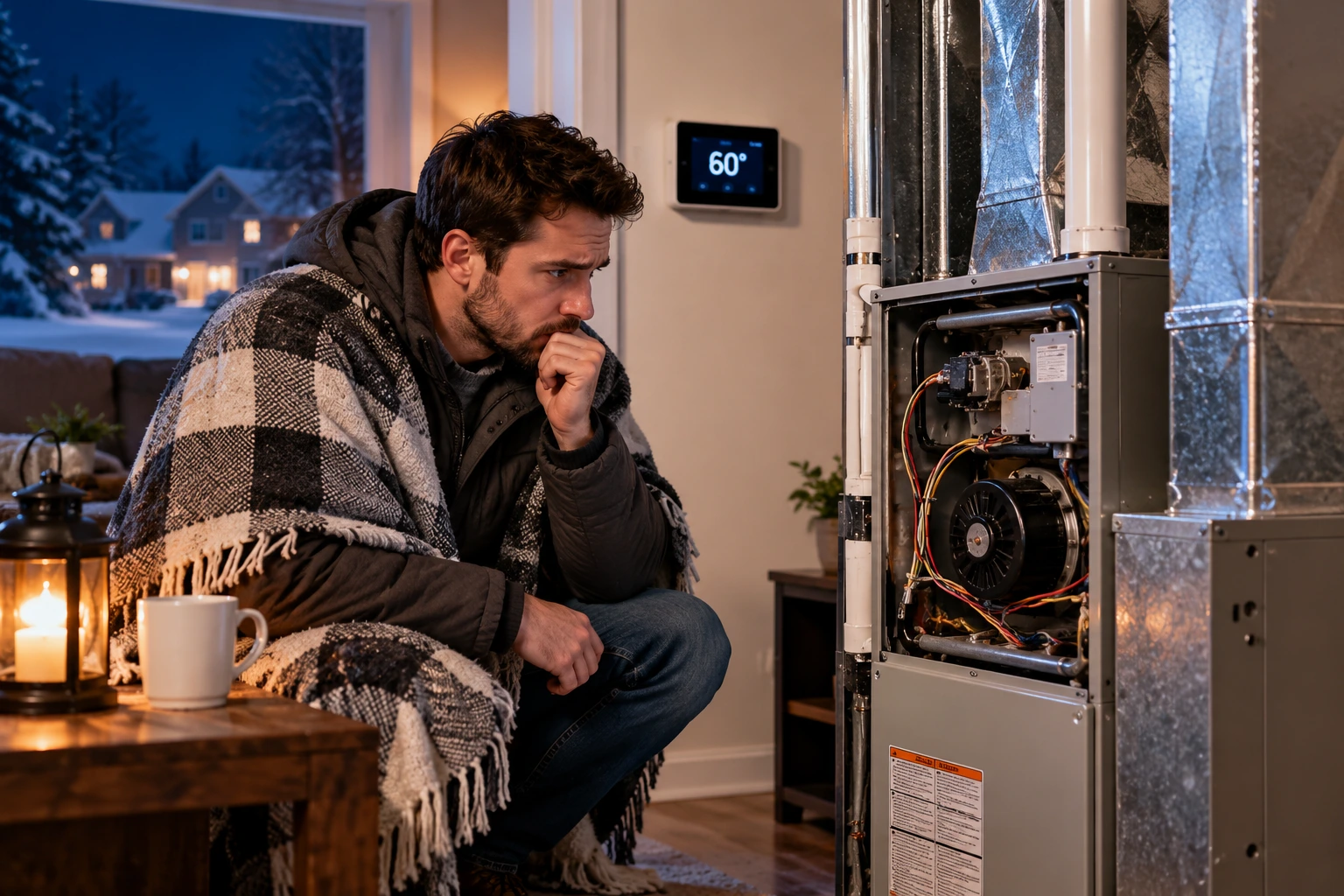
When your furnace stops working on a cold night, your home can lose heat quickly, putting your family’s comfort and plumbing at risk. Before assuming the system needs major repairs, check a few common causes, follow basic safety steps, and know when to call for emergency furnace repair in Salt Lake City.
Why Do Furnaces Stop Working at Night?
Furnaces seem to break down at night because that is when they work the hardest, running longer cycles as outside temperatures drop to the coldest point. Any weak part, like a worn igniter or a dirty flame sensor, is more likely to fail when the furnace starts and stops many times in a row.
In Salt Lake City, the coldest hours often come right before sunrise, and inversion weeks can keep the valley cold for days at a time. Many homeowners also turn the thermostat down at bedtime, so the furnace makes a big push in the early morning, which is often when a tired part gives out.
What to Do First When Your Furnace Stops Working at Night
Many night-time furnace problems come from simple things you can check yourself without tools, so start here before you pay for an after-hours visit. Work through these checks in order, and stop the moment anything smells, sparks, or feels unsafe to you while you are working.
Check Your Thermostat Settings
Check that your thermostat is set to Heat and the temperature is above the current room temperature. Replace dead batteries and set the fan to Auto if needed. If the furnace still does not start, check its power supply.
Inspect the Furnace Power Supply and Circuit Breaker
Check that the furnace switch is on and look for a tripped circuit breaker. You may reset it once if there are no warning signs. If it trips again, or you notice smoke, sparks, or a burning smell, stop and call a professional.
Check the Air Filter for Blockages
A clogged air filter can restrict airflow and cause the furnace to overheat or shut down. Turn the system off and replace a dirty filter with the correct size, following the manufacturer’s instructions.
Inspect Furnace Vents and Intake Pipes
Check indoor registers for blocked airflow and visually inspect accessible outdoor intake and exhaust pipes for snow, ice, or debris. Never dismantle pipes or disturb the exhaust system. If you suspect an exhaust problem or carbon monoxide risk, leave the area and seek emergency help.
Check the Fuel Supply and Furnace Error Codes
A fuel interruption or ignition fault can prevent a furnace from producing heat. Note any diagnostic error code and share it with your HVAC technician. Never attempt gas-line repairs, and leave immediately if you smell gas.
When to Call for Emergency Furnace Repair
A furnace that won’t start isn’t always an emergency, but freezing winter temperatures in Salt Lake City can make a heating failure more urgent. If your home is getting colder quickly, vulnerable family members are at home, or you’re concerned about frozen pipes, contact Zephyr Heating and Cooling for professional guidance.
If you smell gas, your carbon monoxide alarm sounds, or you notice smoke or sparks, leave the home immediately and contact emergency services from a safe location. Never attempt to dismantle the furnace or bypass its safety controls.
For furnace problems that persist after basic checks, Zephyr Heating and Cooling can help you determine the next steps for restoring heat and keeping your home safe.
Common Causes of No-Heat Furnace Issues
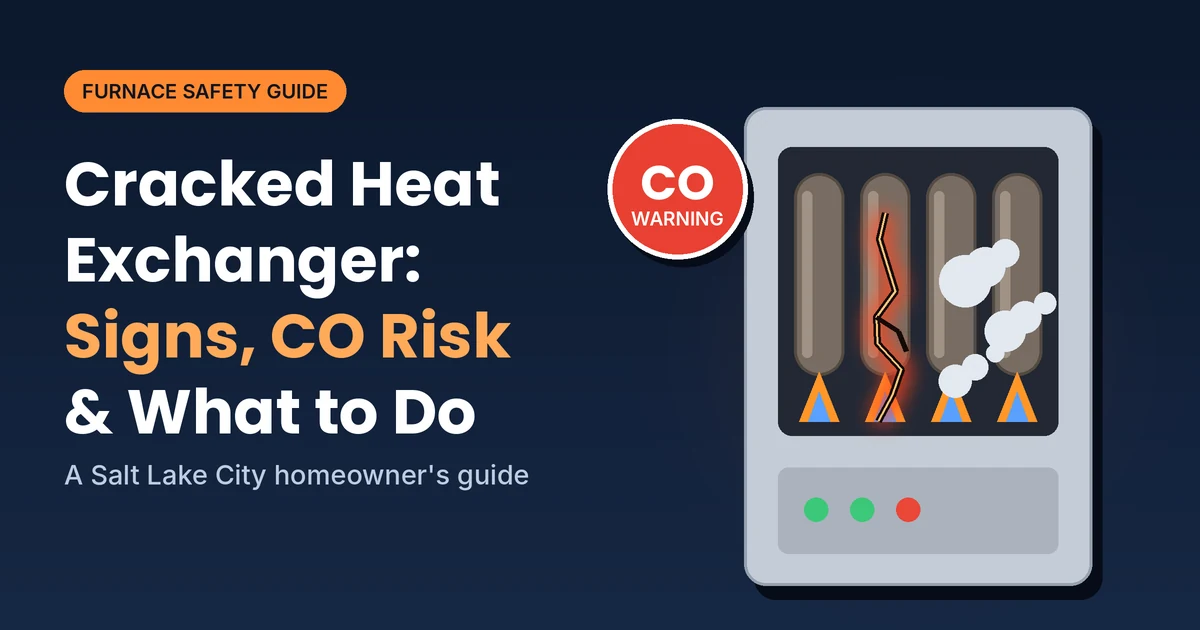
Several common problems can speed up that wear and cause a crack much sooner than the normal lifespan of a well-kept furnace would suggest. Most of them come down to airflow, moisture, or a furnace that was sized or set up the wrong way.
- Dirty air filters. A clogged filter chokes airflow, so the metal overheats and the high limit switch keeps shutting off the burners, which can also make your furnace blow cold air.
- Closed or blocked vents. Closing vents in empty rooms saves very little money, and it raises pressure inside the ducts and traps extra heat inside the furnace cabinet.
- A furnace that is too big. An oversized furnace heats the house fast, shuts off, and starts again minutes later, and every extra start adds another heat cycle to the metal.
- Moisture. On high-efficiency furnaces, a clogged condensate drain line can let water sit inside the unit, where it slowly rusts the secondary heat exchanger.
- Delayed ignition. When gas builds up before it lights, it makes a small boom inside the furnace, and those repeated booms put sudden stress on the metal walls.
Frequently Asked Questions
What Should I Check First When My Furnace Stops Working?
Check your thermostat settings, furnace power switch, circuit breaker, and air filter. If you smell gas or your carbon monoxide alarm sounds, leave immediately and seek emergency assistance.
Why Is My Furnace Running but Not Producing Heat?
A dirty air filter, thermostat issue, ignition failure, or fuel supply problem may prevent your furnace from heating properly. Contact an HVAC professional if basic checks do not resolve the issue.
How Can I Keep My Home Warm While Waiting for Furnace Repair?
Wear warm layers, use blankets, and close doors to unused rooms. Use indoor-rated space heaters safely, and never use an oven or gas stove to heat your home.
Can a Furnace Breakdown Cause Pipes to Freeze?
Yes, prolonged heating outages during freezing weather can put exposed plumbing pipes at risk. Limit heat loss and contact a qualified professional if you suspect frozen pipes.